What Does “Heol” Mean in Korean? Not Quite OMG
Shock in one flat syllable—written first, casual only, not the English OMG squeal.
- Hangul
- 헐
- Romanization
- heol
- Pronunciation
- hull
- Category
- Slang
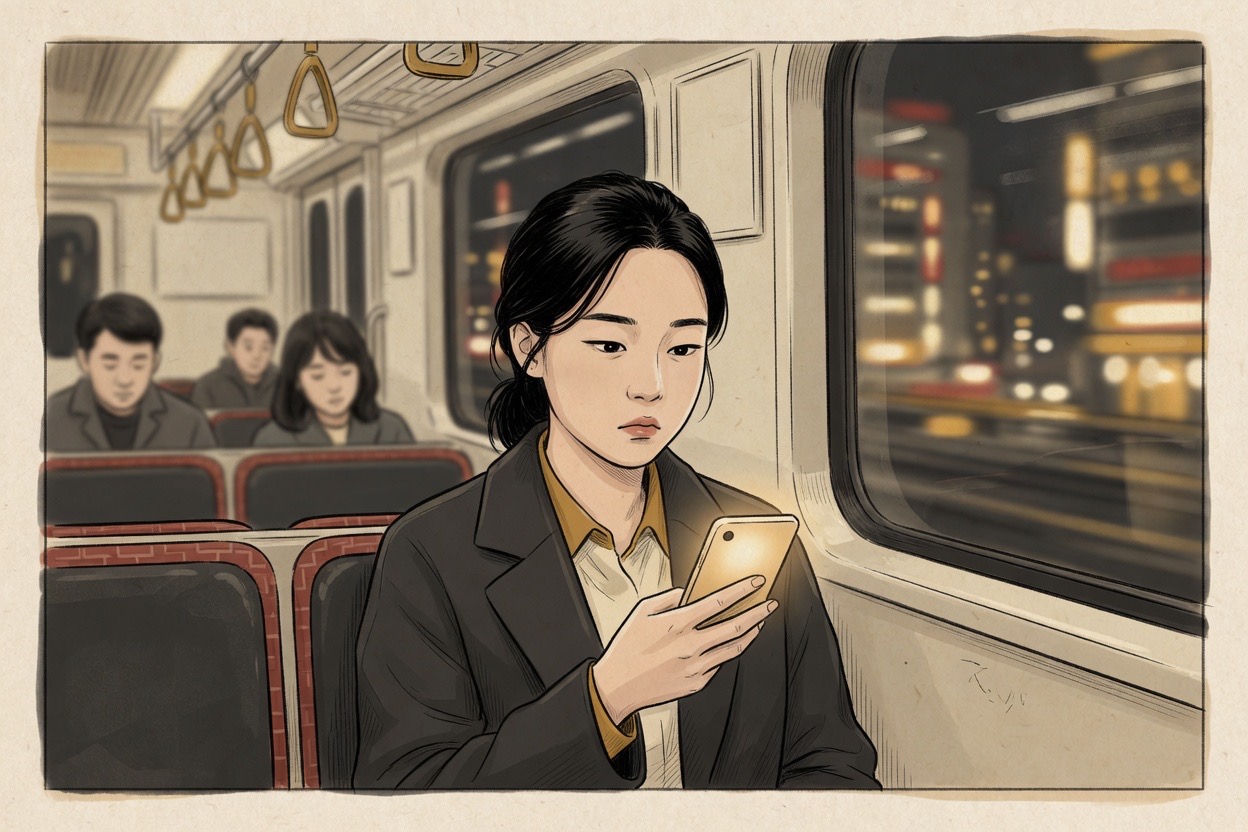
Heol (헐, pronounced roughly hull) is a casual Korean interjection of surprise or disbelief—the sound of being thrown for a second. Friends fire it when a plan dies, gossip lands, or a message is too much. One-sentence definition: heol marks flat shock, mostly in texting, never as formal speech. English pages often stamp it as “Korean OMG.” Close enough to be useful, wrong enough to sound odd: heol sits on the deadpan “you cannot be serious” end, not the delighted squeal. It is overwhelmingly written, and friends-only—never to a boss, a professor, or anyone you still use jondaemal with. Short version: 헐 = casual disbelief in one syllable, mostly on a phone screen.
Quick facts
| Hangul | 헐 |
| Romanization | heol |
| Pronunciation | hull (one short beat; not hee-ol) |
| Word class | interjection / reaction |
| Core job | surprise · disbelief · mild disgust · flat “no way” |
| Register | casual only (banmal peers, chats) |
| Main channel | texting and comments more than speech |
| Nearby reactions | daebak (intensity), aigoo (sympathy sigh), jjang (praise) |
How do you pronounce heol?
One short syllable: hull, closer to English hull than to heal or hey-ol. The final ㄹ is a light flap, not a hard English l. Do not stretch it into a melodic heeeeol unless you are performing for friends who already know you.
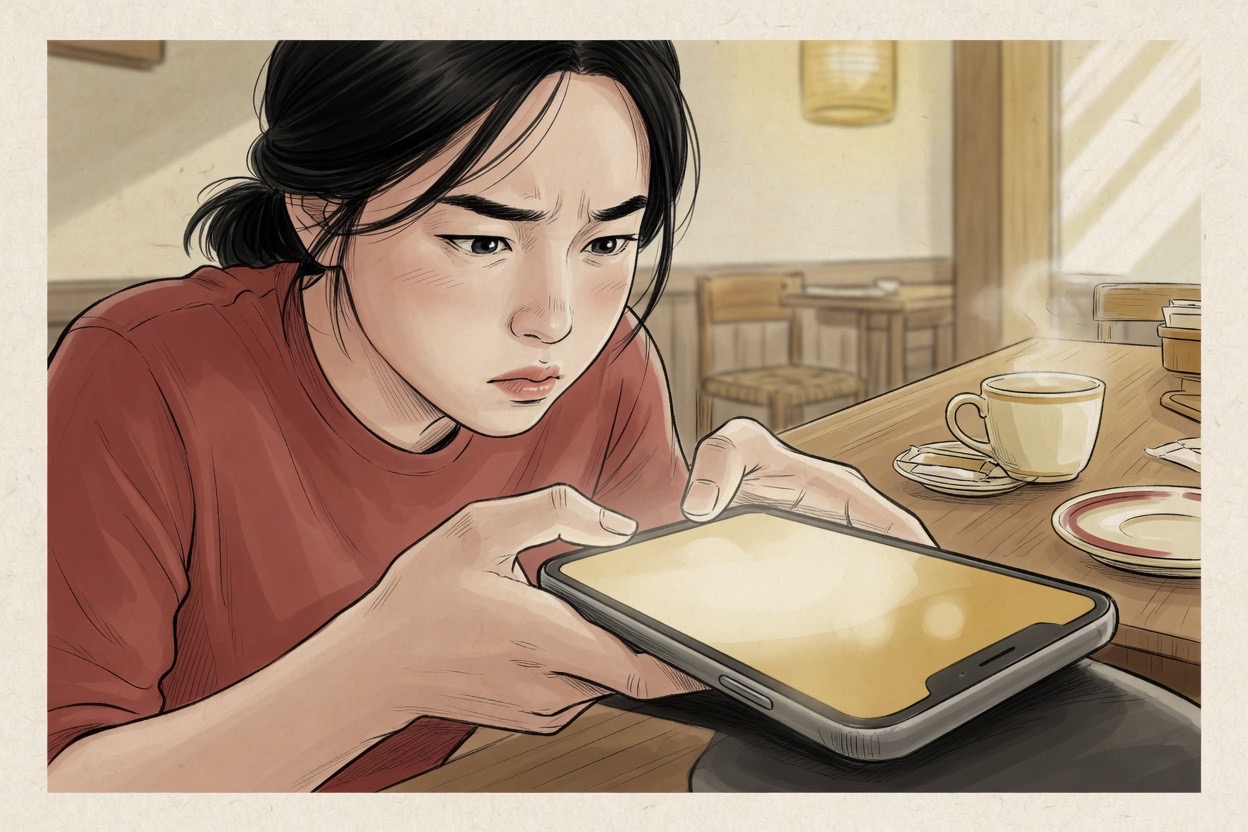
In chat, people often do not “pronounce” it at all—they type it. That is part of the word’s social life. When someone does say it out loud, it is dry and quick, not the drawn-out English OMG you might expect from a subtitle.
What does heol feel like, precisely?
This is the part “OMG” flattens.
헐 is less a translation and more a weather report for being hit by news. Map the range:
| English shade | When heol fits | What heol is not |
|---|---|---|
| whoa | mild surprise, small plot twist | not automatic delight |
| no way | stronger disbelief | not celebration |
| that’s rough / yikes | flat “that’s a lot” | not full sympathy speech |
| you cannot be serious | mild disgust or disapproval | not a formal complaint |
Polarity leans neutral-to-negative. You can use heol for shocking good news, but the default vibe is flatter than English OMG. Delighted shock often wants something else—daebak for scale, or plain 와 / 대박 stacking when intensity is the point.
Heol vs daebak vs aigoo
Three casual reactions English mash together. Keep them separate.
| Word | Hangul | Core job | Default weather |
|---|---|---|---|
| heol | 헐 | pure shock / disbelief | flat, thrown, often bad-leaning |
| daebak | 대박 | huge intensity / jackpot scale | good or bad—volume, not smile |
| aigoo | 아이고 | sympathy · effort · mild scold | older-leaning sigh energy |
- Plan canceled last minute → 헐…
- Concert tickets somehow secured → 대박! (or heol then daebak if pure shock comes first)
- Friend finished a brutal shift → aigoo opens care better than heol
- Food is peak-tier → jjang praises quality; heol only if the photo is somehow unbelievable
Stacking is real among friends: 헐 대박 is shock plus scale. Treat stacks as volume knobs, not a grammar test.
Where did heol come from?
헐 rose through Korean internet culture in the 2000s as online chat and comment culture got loud. The exact origin story is disputed—forums, early messenger culture, and folk etymologies all compete, and none is cleanly settled enough to print as fact.
What you can trust without inventing a coinage date or founding person:
- It is native to casual written Korean, then spilled into speech among the same people.
- It belongs with other short reaction particles of the web era, not with classical dictionary interjections alone.
- Learners who need a fixed “invented by X on site Y in year Z” will not find a consensus worth memorizing.
If a page sells you a neat origin myth with a single date and hero, treat it as color, not authority. For living slang next to heol—new prefixes, dated words, chat codes—see Korean slang 2026.
How is heol written?
Because heol lives on screens, the spell shapes matter as much as the dictionary form.
| Form | What it does |
|---|---|
| 헐 | base form—default flat shock |
| 헐~ / 헐… | stretched or trailed—extra processing time |
| 헐헐 | repeated—more emphasis, still casual |
| ㅎㄹ | consonant-only typing for speed |
The consonant-only form ㅎㄹ
Korean phones make hangul from jamo pieces. In fast chat, people sometimes type only the consonants of a word—the same rule that turns full words into ㅇㅇ, ㄱㄱ, and friends. 헐 stripped to consonants becomes ㅎㄹ: same reaction, fewer taps, slightly more “thumb already flying” energy.
That pattern is core Korean texting slang—once you know the initial-consonant rule, forms like ㅎㄹ stop looking like keyboard damage.
You will also see heol buried in longer chat lines:
- 헐 진짜? — Heol, for real?
- 헐… 어떡해 — Heol… what do we do?
- 헐 대박 — Shock + intensity stack
When NOT to use heol (the nunchi rule)
Heol is banmal furniture. It assumes a room where casual reactions are already allowed.
| Room | Heol? |
|---|---|
| Friend KakaoTalk | Yes |
| Same-generation peer chat | Yes |
| Comments under a funny post | Yes |
| Dating banmal | Often yes |
| Team lunch with peers who already joke | Often yes |
| First meeting with a senior | No |
| Manager / professor / client | No |
| Formal apology or presentation | No |
This is the same speech-level map as banmal vs jondaemal: if you would not drop casual endings with someone, do not drop bare 헐 on them either. In upward rooms, people still feel heol energy—they just say something quieter: 아…, 네, 알겠습니다, 정말요?, or a carefully surprised face with no slang.
Texting heol to a peer about a bad meeting is fine. Performing heol to the person running the meeting is the defect.

Example dialogues
1. Friends texting — plan dies in the rain
Group chat, Friday afternoon. Three people who already banmal with each other.
- Sora: 야, 오늘 비 와서 모임 취소래.
Ya, oneul bi waseo moim chwisorae.
Hey—because of the rain, the hangout’s canceled. - Minho: 헐… 진짜?
Heol… jinjja?
Heol… for real? - Sora: 응. 다음에 다시 잡자.
Eung. Daeume dasi japja.
Yeah. Let’s reschedule. - Jiyoon: 헐헐. 나 옷까지 골라놨는데.
Heolheol. Na otkkaji gollanwanneunde.
Heol heol. I even picked an outfit.
Gloss: Pure friend banmal. Bare 헐 and doubled 헐헐 for extra flat disbelief. No polite endings—because this is peer chat, not a calendar invite to a boss.
2. Gossip hits the table
Café table, same generation. Someone leans in with news.
- Haeun: 그 둘 헤어졌대.
Geu dul heeojyeotdae.
I heard those two broke up. - Yuri: 헐. 언제?
Heol. Eonje?
Heol. When? - Haeun: 어제라는데. 갑자기.
Eojeraneunde. Gapjagi.
Yesterday, apparently. Out of nowhere. - Yuri: 헐… 전혀 몰랐어.
Heol… jeonhyeo mollasseo.
Heol… I had no idea.
Gloss: Heol as the reboot syllable before the real questions. Tone is flat shock, not delighted drama for its own sake.
3. Office — the heol you swallow
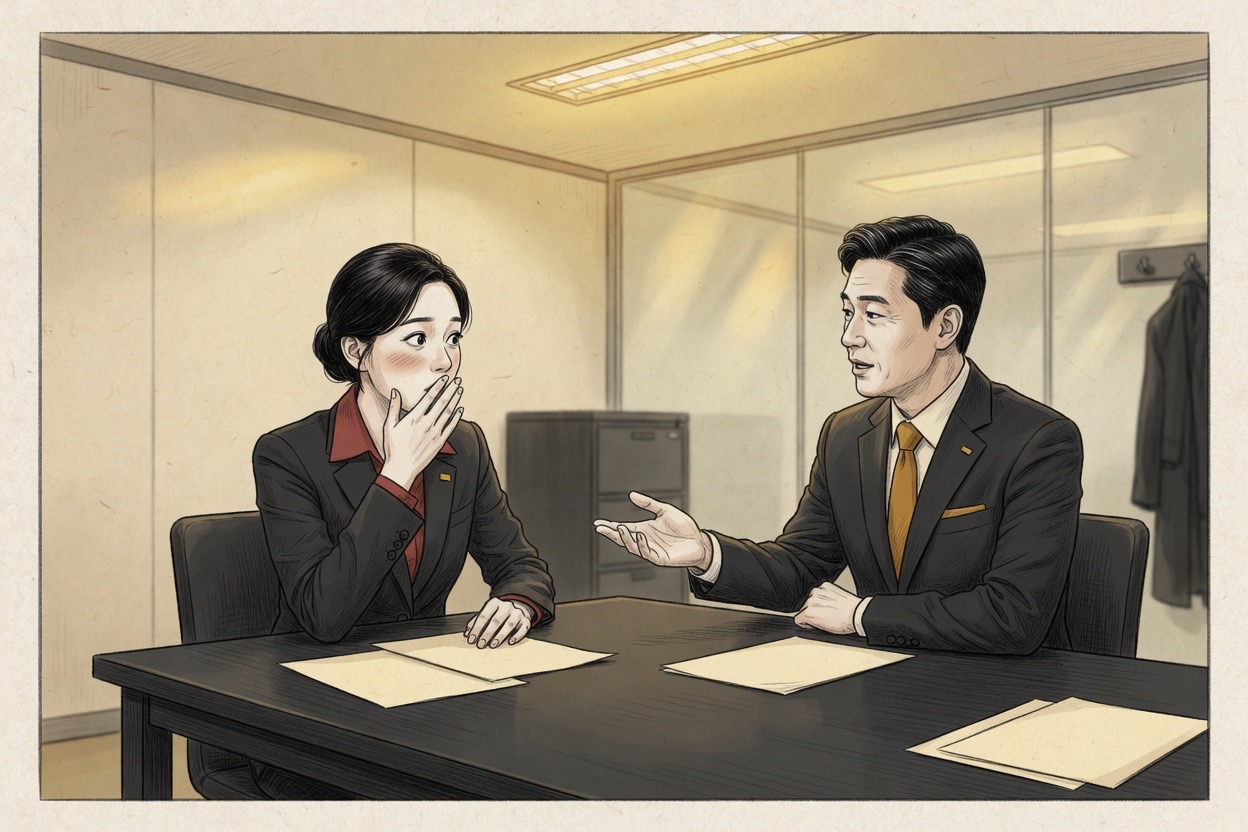
Meeting room. A junior almost reaches for chat slang and stops.
- Manager (forties): 일정이 내일로 당겨졌어요. 오늘 안에 초안 부탁해요.
Iljeongi naeillo danggyeojyeosseoyo. Oneul ane choan butakhaeyo.
The deadline moved to tomorrow. Please get a draft done today. - Junior (late twenties), almost out loud: 헐—
(catches it, rewrites the face) - Junior: 아… 네, 알겠습니다. 바로 시작할게요.
A… ne, algetseumnida. Baro sijakhalgeyo.
Ah… yes, understood. I’ll start right away.
Later, peer-only chat with a same-level coworker:
- Junior: 헐 방금 팀장님 앞에서 헐 할 뻔.
Heol banggeum timjangnim apeseo heol hal ppeon.
Heol—I almost said heol in front of the team lead just now. - Peer: ㅋㅋ 잘 삼켰네.
Kekeke jal samkyeonne.
Lol, good catch.
Gloss: The lesson is concrete. Heol is correct about the news with a peer. Heol to the manager would have been zero nunchi. Swallowing it and switching to jondaemal is the whole skill.
Good nunchi / Zero nunchi
Good nunchi
Your Korean friend drops impossible news in KakaoTalk. You answer 헐… 괜찮아? and wait. In a meeting, the same kind of news hits—you keep a neutral face, say 네, 확인하겠습니다, and save the heol for the peer chat afterward. You matched channel to relationship.
Zero nunchi
You learned “헐 = Korean OMG!!!” from a vocab list. You type it to a professor. You squeal a theatrical heeeeol at a client pitch. You grin through bad-news heol as if every shock were a party. The room goes polite and quiet. You thought you were fluent. You performed a subtitle.
Do / Don’t
Do
- Use 헐, 헐…, 헐헐, and ㅎㄹ with people you already banmal-text with.
- Read heol as flat shock / disbelief, not automatic delight.
- Stack with daebak when the news is both shocking and huge.
- Swallow it upward—feel free, speak polite.
Don’t
- Send heol to bosses, professors, clients, or stiff first contacts.
- Treat heol as a full synonym of English OMG across every emotional range.
- Confuse heol with jjang (praise) or aigoo (sympathy/effort).
- Perform a long English-style squeal and call it natural Korean speech.
Nearby ideas
- Daebak (대박) — intensity / jackpot scale, good or bad
- Aigoo (아이고) — the sigh that soothes, scolds, or marks effort
- Korean texting slang — consonant codes, ㅋㅋ, and why ㅎㄹ exists
- Banmal vs jondaemal — the speech-level wall heol must not climb
- Jjang (짱) — peak praise, not pure shock
- Korean slang 2026 — living slang next door to heol
A closing line
Heol is not a costume OMG you paste onto every surprise. It is flat disbelief in one casual syllable—born for screens, safe among equals, fatal upward if you forget who is in the room.
Learn the deadpan feel. Keep it in banmal. Save the squeal for English. Then keep your nunchi on the next message: that is where 헐 either fits—or needs to stay unsaid.
FAQ
What does heol mean in Korean?
Heol (헐) is a casual interjection of surprise or disbelief. In plain English it often lands as whoa, no way, or you cannot be serious—usually flat, not delighted.
Is heol the same as OMG?
Close, not identical. OMG stretches across delight and horror. Heol sits on the flatter, more deadpan end—thrown, mildly appalled, or speechless—not a squeal of joy.
Can I say heol to a boss or professor?
No. Heol is casual-only banmal energy. Fine with friends and same-level peers. Wrong upward—use a quieter polite reaction instead.
Is heol mostly for texting?
Yes. Heol is overwhelmingly written—KakaoTalk, comments, group chats. In speech it is short and dry, not a drawn-out English-style OMG.
What is the difference between heol, daebak, and aigoo?
Heol marks shock or flat disbelief. Daebak marks huge intensity (good or bad). Aigoo is a sympathy-or-effort sigh, often older-leaning. Different tools, not synonyms.
Do you have nunchi?
Get short Korean word lessons and social cues in your inbox.