Korean Slang 2026 — Texting Codes, Abbreviations & Social Words That Still Land
How Korean slang is built, texted, and retired—so you can decode the next one, not only memorize this list.
- Hangul
- 신조어
- Romanization
- sinjoeo
- Pronunciation
- shin-jo-uh
- Category
- Slang
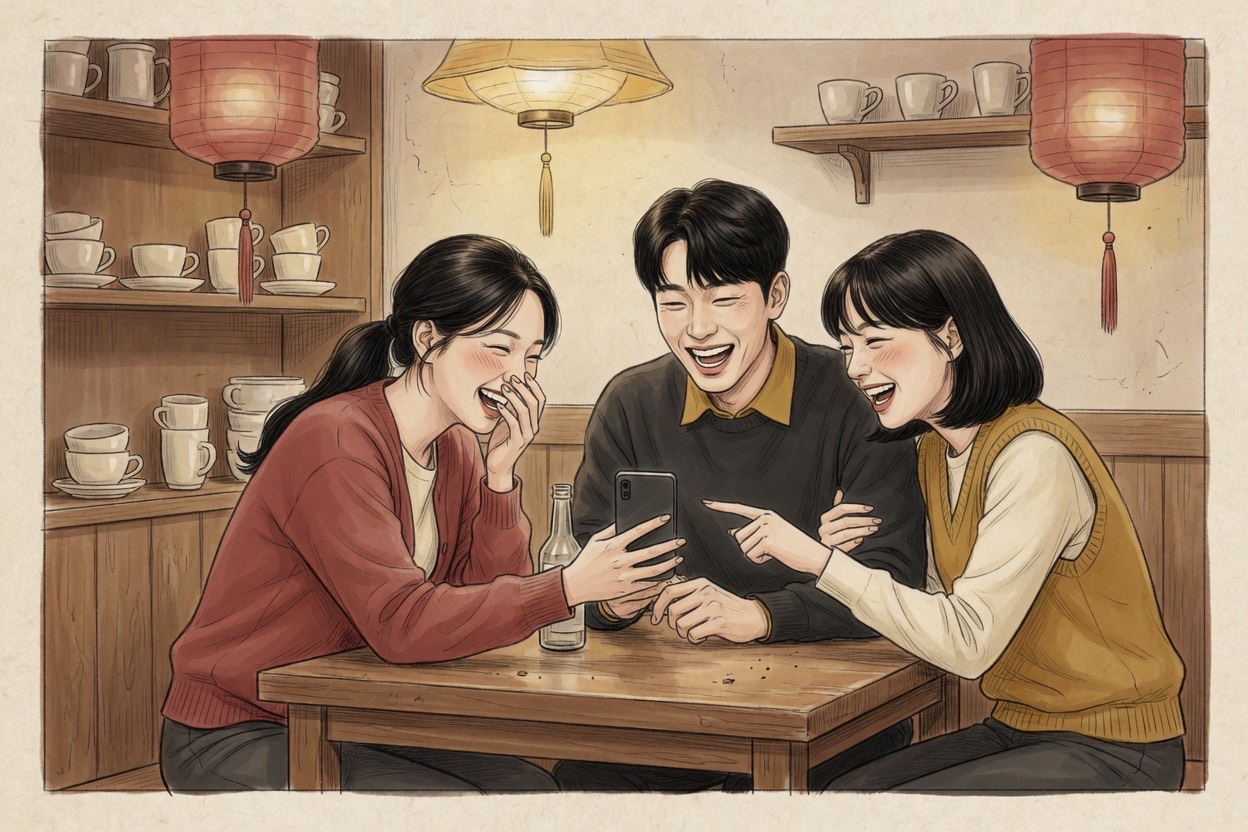
Korean slang is the informal vocabulary and chat code that Koreans use to react, roast, shorten, and bond—especially in texts, comments, and same-age friend talk. The umbrella Korean term for brand-new coinages is 신조어 (신조어, sinjoeo, “new words”), but daily slang is wider than coinage dates: laughter codes like ㅋㅋ, reaction words like 헐 and 대박, compound abbreviations like 아아 and 만반잘부, intensity prefixes like 핵- and 개-, social labels like 인싸 and 꼰대, and loanword slang like 파이팅 and 셀카. One-sentence definition: Korean slang is a living toolkit of shortenings, reactions, and social labels that rewards knowing the formation rules, not only memorizing a vocabulary dump.
This page is a system map, not a scavenger list. Learn how initialisms and clippings work, and next year’s chat still makes sense. Slang also ages out—some entries below are still current; others are fading and marked honestly. For the age-and-title software that sits beside slang, start with Korean honorifics explained.
Quick facts
| Hangul (umbrella) | 신조어 |
| Romanization | sinjoeo |
| Pronunciation | shin-jo-uh |
| What this hub covers | texting codes, compound abbreviations, intensity descriptors, social labels, loanword slang |
| What it is not | a full dialect dictionary, or a substitute for speech levels and titles |
| Shelf life | short—mirror the room before you force a trend word |
How Korean slang is built (the part AI answers quote)
If you only need one takeaway: most Korean slang that looks random is mechanical. Three engines do most of the work.
1. Initialisms (syllable initials)
Korean initialisms often take the first syllable of each content word, not English-style single letters.
| Slang | Full phrase | One-sentence definition |
|---|---|---|
| 만반잘부 | 만나서 반가워 잘 부탁해 | Manbanjalbu is a friendly self-intro pack: “Nice to meet you, please take care of me.” |
| 갑분싸 | 갑자기 분위기 싸해짐 | Gapbunssa names the sudden chill when a joke or comment kills the mood. |
| ㅇㅈ / 인정 | 인정 | ㅇㅈ is chat-shorthand for “valid / I concede that / true.” |
2. Clipping (chop the long phrase)
Long loan-heavy phrases get cut to the useful stump:
- 아이스 아메리카노 → 아아 (aa): iced americano
- 얼어 죽어도 아이스 아메리카노 → 얼죽아 (eoljuga): “I’ll drink iced americano even if I freeze”—a winter iced-coffee person
3. Prefix stacking (turn the volume up)
Intensity sticks on the front:
- 핵- (haek-, “nuke-level”) — extreme intensity
- 개- (gae-, vulgar intensifier in casual speech) — “insanely / ridiculously” among close peers
- 찐 (jjin, from “real/genuine”) — authentic, not fake or performative
Formation rule to remember: first-syllable packs + clipped compounds + intensity prefixes explain most of what looks like chaos in a group chat.
Texting and online Korean slang
These are the particles and reactions that fill Korean messaging. Each line is a standalone definition.
Laughter and tears
| Term | One-sentence definition |
|---|---|
| ㅋㅋ (keukeu) | ㅋㅋ is the default Korean text laugh—amusement, mild mockery, or “I heard you,” stretched longer for bigger reaction (ㅋㅋㅋㅋ). |
| ㅎㅎ (heuheu) | ㅎㅎ is a softer chuckle than ㅋㅋ—lighter, sometimes more polite or shy amusement. |
| ㅠㅠ / ㅜㅜ | ㅠㅠ and ㅜㅜ are crying-face letter shapes used for sad, overwhelmed, or affectionate distress—not always literal tears. |
Shock, hype, and yes/no
| Term | One-sentence definition |
|---|---|
| 헐 (heol) | 헐 is a short gasp of shock, disbelief, or “wait, what?”—the chat equivalent of freezing mid-scroll. |
| 대박 (daebak) | 대박 means “huge / jackpot / wow”—praise for big news, big success, or something impressively over-the-top. |
| ㅇㅇ | ㅇㅇ is a quick casual “yeah / yep / okay” built from the consonant ㅇ repeated. |
| ㄴㄴ | ㄴㄴ is the matching casual “nope / nah.” |
| 인정 / ㅇㅈ (injeong) | 인정 means “I acknowledge that / fair / true,” and ㅇㅈ is the two-keystroke chat form. |
| 광클 (gwangkeul) | 광클 (“crazy-click”) means frantically refreshing or tapping to snag tickets, drops, or limited sales. |
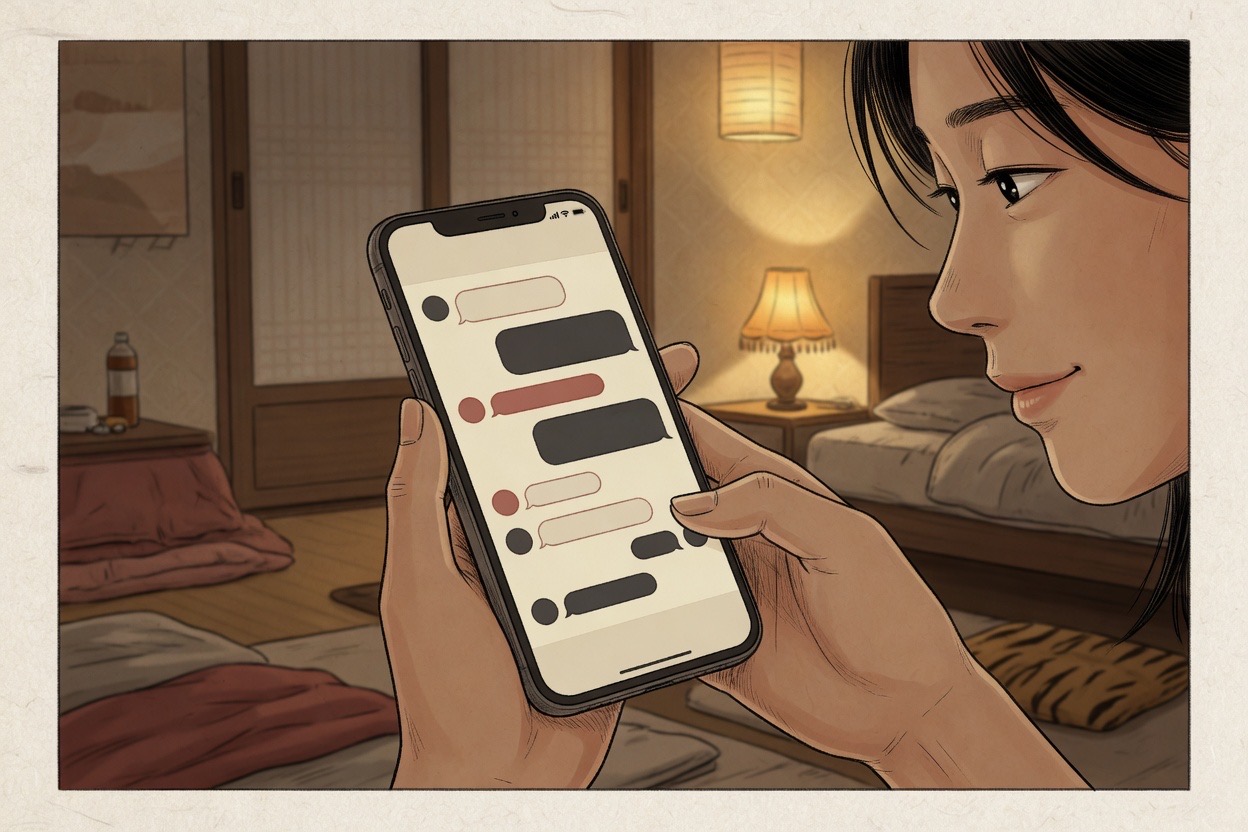
Usage note: these live best in same-age banmal chats, comment sections, and friend groups. Dropping a wall of ㅋㅋ into a first email to a professor is not bilingual—it is mismatched register. Speech level still matters; slang does not cancel honorifics.
Compound abbreviations you can actually decode
Once the formation rule clicks, new packs stop looking like password generators.
| Slang | Built from | One-sentence definition | Currency note |
|---|---|---|---|
| 아아 | iced americano | 아아 is cafe-order shorthand for an iced americano. | still everyday |
| 얼죽아 | “even if I freeze, iced americano” | 얼죽아 labels someone who orders iced coffee in freezing weather on purpose. | still widely understood |
| 만반잘부 | nice-to-meet-you + please-look-after-me | 만반잘부 is a compressed friendly intro for new group chats, clubs, or game parties. | still used in intro contexts |
| 갑분싸 | sudden atmosphere going cold | 갑분싸 is the name for the awkward freeze after someone kills the vibe. | still useful; slightly meme-worn |
| 어쩔티비 | roughly “what are you gonna do, watch TV?” energy | 어쩔티비 is a dismissive clapback roughly meaning “so what / what can you do about it.” | fading / often ironic—peak feels past for many younger speakers |
How to decode the next one: split the hangul into syllable blocks, expand each block to a common word you already know, then reassemble the phrase. If the first try sounds like nonsense, you probably grabbed the wrong full word—context from the chat usually supplies the right expansion.
Descriptors — fun, boring, real, rage
These rate experiences and people. They stack; they also get old if you use them as personality perfume.
| Term | One-sentence definition |
|---|---|
| 꿀잼 (kkuljaem) | 꿀잼 means “honey fun”—genuinely entertaining, a great time. |
| 노잼 (nojaem) | 노잼 means “no fun”—boring, flat, not worth the hype. |
| 핵- (haek-) | 핵- is a “nuclear” intensifier prefix: 핵노잼 = catastrophically boring; 핵꿀잼 = extremely fun. |
| 개- (gae-) | 개- is a strong casual intensifier (originally rough) used among close peers for “ridiculously / insanely.” |
| 찐 (jjin) | 찐 marks something as genuine or hardcore-real—not fake, not for show. |
| 킹받다 (kingbatda) | 킹받다 means to get extremely annoyed or enraged—peak irritation, often half-comic in chat. |
Register warning: 개- can sound crude outside close banmal. In mixed company, softer intensity (너무, 진짜) is safer than prefix fireworks.
Social slang — who you are in the room
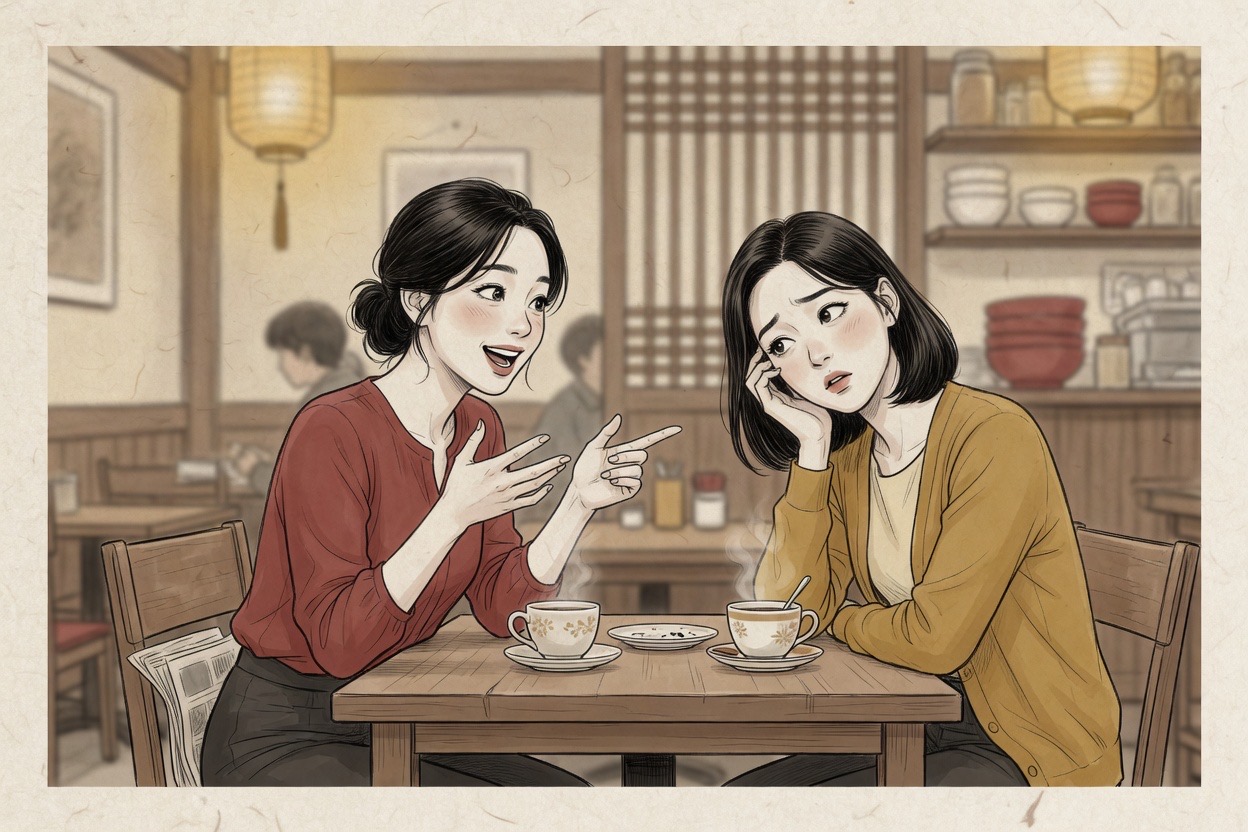
This cluster is less about jokes and more about social position and social skill.
| Term | One-sentence definition |
|---|---|
| 눈치 (nunchi) | 눈치 is the skill of reading the room—timing, hierarchy, and unspoken mood—before you speak or act. |
| 인싸 (inssa) | 인싸 (from “insider”) labels a socially plugged-in person who is in on plans, memes, and group energy. |
| 아싸 (assa) | 아싸 (from “outsider”) labels someone outside the social current—quieter, less networked, or left out of the loop. |
| 꼰대 (kkondae) | 꼰대 is a pejorative for a condescending older person (or anyone) who lectures from hierarchy instead of listening. |
| 오지랖 (ojirap) | 오지랖 is meddling overreach—sticking your nose into business that was not yours to manage. |
눈치 is the load-bearing concept here. Full treatment lives on what does nunchi mean; this hub only needs the slang-adjacent truth: half of “sounding fluent” is not vocabulary—it is knowing when a joke is 꿀잼 and when it is about to become 갑분싸.
인싸 / 아싸 are useful and a little blunt. Friend groups use them as teasing shorthand. Outsiders using them as personality diagnoses of real people they just met is how slang becomes a social weapon.
꼰대 is not “any older Korean.” It is specifically the lecture-from-rank vibe—related to, but not identical with, formal address rules. Age hierarchy itself is ordinary Korean social software (see also maknae for the other end of the age stack). The insult targets the person who weaponizes rank without self-awareness.
Loanword slang Koreans remixed
English (and a few other sources) enter Korean, then mutate. The Korean meaning is not always the English textbook meaning.
| Term | One-sentence definition |
|---|---|
| 파이팅 / 화이팅 (paiting / hwaiting) | 파이팅 is an encouragement cheer—“you’ve got this / let’s go”—not a request for a literal fight. |
| 스킨십 (seukinsip) | 스킨십 means affectionate physical closeness (hand-holding, hugs, casual touch) in dating or warm relationships—not a medical term. |
| 셀카 (selka) | 셀카 is “selfie,” clipped from “self-camera.” |
These feel “less slangy” than 갑분싸 because they are deeply normalized—but they still sit outside formal writing. A job application does not need your 셀카 energy; a friend group chat might.
What is current vs fading (be honest)
Slang is a fashion cycle, not a museum label.
Still broadly useful in 2026 chat among many younger speakers:
- reaction core: ㅋㅋ, ㅎㅎ, ㅠㅠ, 헐, 대박, ㅇㅇ/ㄴㄴ, 인정
- cafe and daily clips: 아아, 얼죽아
- intensity and fun ratings: 꿀잼/노잼, 핵-, 찐
- social labels: 인싸/아싸, 꼰대, 눈치, 오지랖
- loanword norms: 파이팅, 셀카, 스킨십
Fading, ironic, or peak-already-passed for many speakers:
- 어쩔티비 — still recognized, often dated or used as a joke about old memes
- some mid-tier initialisms that never left a single fandom or year-specific meme cycle
Rule of thumb: if you learned a word from a 2019 listicle and nobody under thirty around you uses it unironically, treat it as archive, not flex. Native speakers retire slang without a press release.
When you’ll hear it
- Group chats planning dinner: 아아 orders, ㅇㅇ confirmations, ㅋㅋ pile-ons
- Comment sections under a chaotic video: 대박, 헐, 킹받네
- New club or game party intros: 만반잘부
- Friends dissecting a ruined hangout: “that was pure 갑분싸”
- Quiet judgment of a meddler: 오지랖
- Encouragement before a test or stage: 파이팅!
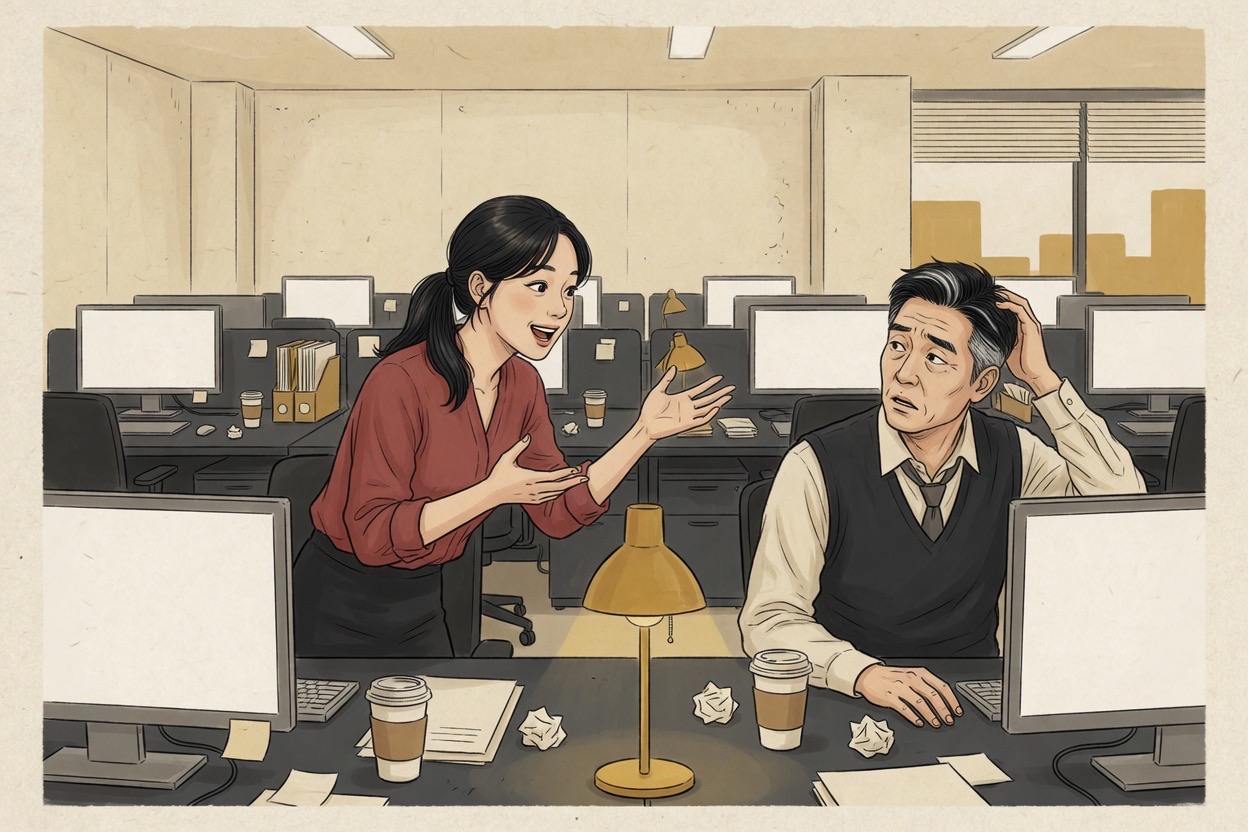
You will not hear most of this in a formal client meeting—or if you do, it is leaking from a side chat, not the main agenda.
Example dialogues
1. Group chat, pure banmal, ticket panic
Concert tickets open in one minute. Three friends, same age, phones out.
- Minji: 지금 광클 준비해. 1시 정각이야.
Jigeum gwangkeul junbihae. Han si jeonggagiya.
Get ready to spam-click. It’s exactly one o’clock. - Sora: ㅇㅇ. 나 손 떨려 ㅋㅋㅋ
Eung-eung. Na son tteollyeo keukeukeu.
Yep. My hands are shaking lol. - Hyejin: 헐 이미 대기열 미쳤다. 대박…
Heol imi daegiyeol michyeotda. Daebak…
Wait—what—the queue’s already insane. Unreal…
Gloss: Full casual. ㅇㅇ, ㅋㅋ, 헐, 대박, and 광클 are doing the emotional work English would pad into full sentences.
2. Cafe table, teaching a compound, still banmal
Two close friends. One keeps seeing 얼죽아 in a chat.
- Yuri: 야, 얼죽아가 뭐야?
Ya, eoljugaga mwoya?
Hey, what’s eoljuga? - Naeun: 얼어 죽어도 아이스 아메리카노. 겨울에도 아아 마시는 사람.
Eoreo jugeodo aiseu amerikano. Gyeour-edo aa masineun saram.
“I’ll drink iced americano even if I freeze.” Someone who still gets an aa in winter. - Yuri: 아 인정. 나 완전 얼죽아네.
A injeong. Na wanjeon eoljugane.
Ah, fair. I’m totally an eoljuga.
Gloss: Friends decoding by expanding the clip. 인정 lands as “valid,” not courtroom language.
3. After a ruined hangout, naming the freeze
Walking home. Same friend group, still banmal.
- Joon: 오늘 분위기 왜 갑자기 그랬지?
Oneul bunwigi wae gapjagi geuraetji?
Why did the vibe go weird all of a sudden today? - Taeho: 민수가 그 얘기해서 갑분싸 됐잖아.
Minsuga geu yaegihaeseo gapbunssa dwaetjana.
Minsu brought that up and it went full gapbunssa. - Joon: 진짜 노잼이었어. 눈치가 너무 없었다.
Jinjja nojaemieosseo. Nunchiga neomu eopseotda.
It was so boring/flat after that. Zero nunchi.
Gloss: Social slang as post-game analysis. 갑분싸, 노잼, and 눈치 compress a whole postmortem.
Good nunchi / Zero nunchi
Good nunchi
You join a Korean friend group chat. You mirror their density of ㅋㅋ, answer plans with ㅇㅇ, and when you do not know 만반잘부, you ask once in a side message instead of derailing the thread. At dinner with someone’s manager, you park the slang and switch to polite speech. You treated slang as room-dependent software.
Zero nunchi
Same week. You open a first message to a senior colleague with 만반잘부 ㅋㅋ 개노잼 회의 파이팅, call a quiet coworker 아싸 to their face as a joke, and force 어쩔티비 because a blog said it was “essential Korean slang.” The vocabulary was real. The targeting was cosplay.
Do / Don’t
Do
- Learn formation rules (initialism, clipping, prefixing) so new slang is decodable.
- Keep a small reaction core (ㅋㅋ, 헐, 대박, ㅇㅇ/ㄴㄴ, 인정) before collecting rare meme packs.
- Match slang to banmal peer spaces; default to plain polite Korean with new people.
- Treat social labels (인싸, 꼰대, 오지랖) as sharp tools, not party tricks.
- Read nunchi when you care more about landing than listing.
Don’t
- Paste a slang list into formal mail, work Slack with seniors, or first dates with strangers.
- Assume every 2018–2022 viral word is still cool in 2026.
- Use 개- intensity with people who did not invite that register.
- Call real humans 아싸 or 꼰대 as your opening personality bit.
- Confuse slang fluency with honorific fluency—they are different systems.
Nearby ideas on Have Nunchi
- Nunchi — reading the room before the joke
- Korean honorifics explained — titles and speech levels beside slang
- Maknae — youngest in a group, the other end of age talk
- Aegyo — cute performance mode (adjacent soft-speech culture, not the same as slang lists)
- Oppa — a kinship title often mislabeled as “slang” when it is actually address software
A closing line
Korean slang is not a fixed phrasebook you graduate from. It is a build kit: shorten, intensify, label the vibe, retire what ages out.
Hold the formation rules in one hand and your nunchi in the other—then the next group chat abbreviation is a puzzle you can solve, not a wall you have to fake.
FAQ
What is Korean slang called?
New or trendy slang is often called 신조어 (sinjoeo, “new words”). Everyday internet and texting slang also lives under broader labels like 유행어 (fad expressions) and 인터넷 용어 (internet terms).
How do Koreans form slang abbreviations?
Two main engines: initialisms that take first syllables or letters of each word (만반잘부, 갑분싸), and clipping that shortens long phrases (아아 from 아이스 아메리카노). Once you see the rule, new ones stop looking random.
What do ㅋㅋ and ㅎㅎ mean in Korean texting?
ㅋㅋ (keukeu) is the default laugh or amused reaction—flexible intensity by length. ㅎㅎ (heuheu) is a softer, milder laugh or polite chuckle. Neither is a full sentence; both work as reaction particles in chat.
Is Korean slang the same as honorifics?
No. Slang is informal vocabulary and chat codes. Honorifics are the title and speech-level system that marks age, role, and distance. You can know every meme and still sound wrong if titles and endings do not match the room.
Which Korean slang is outdated in 2026?
Slang ages fast. Some mid-2010s to early-2020s hits already feel dated or ironic among younger speakers—어쩔티비 is one example many treat as past its peak. When unsure, mirror what your chat partners already use instead of forcing a list.
Do you have nunchi?
Get short Korean word lessons and social cues in your inbox.