How to Say Good Night in Korean: 잘 자, 잘 자요 & 안녕히 주무세요
Sleep well is not one phrase—it is a ladder that climbs with age and closeness.
- Hangul
- 잘 자
- Romanization
- jal ja
- Pronunciation
- jal ja
- Category
- Phrases
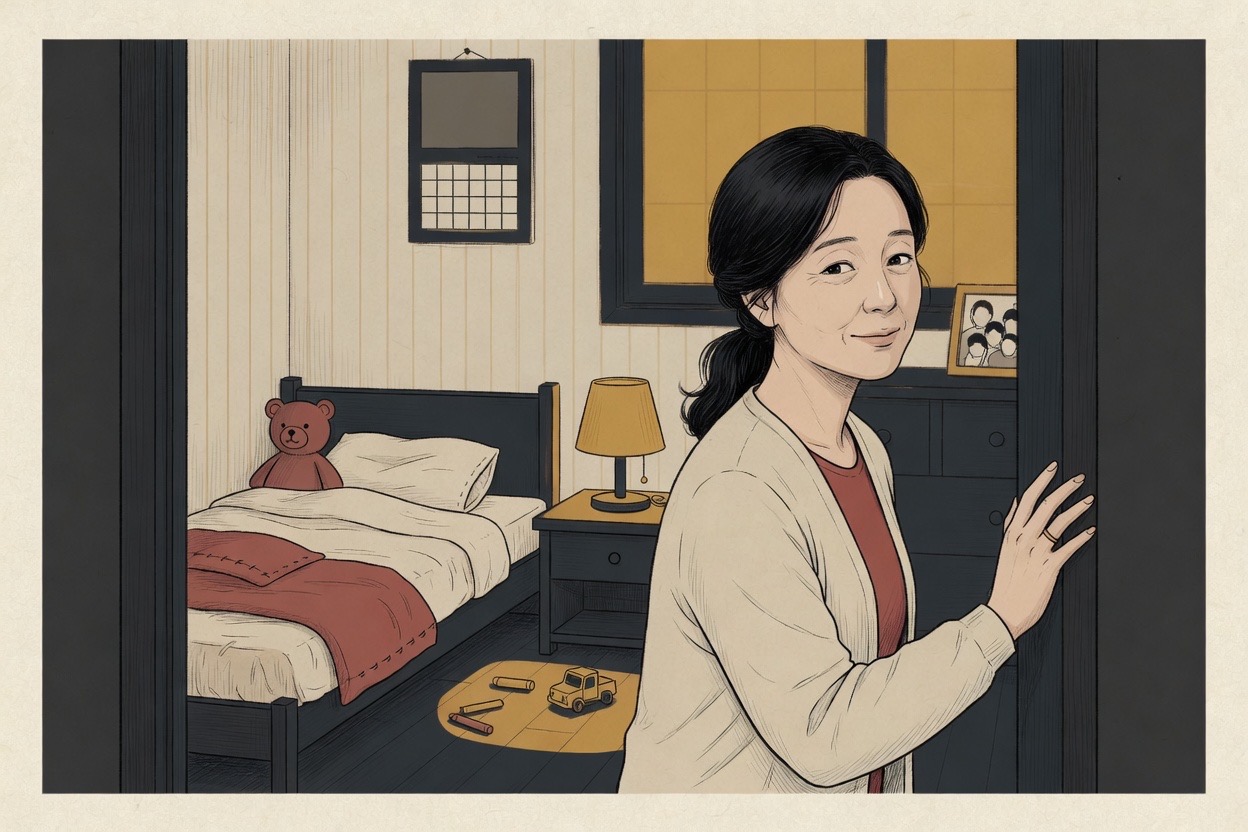
How to say good night in Korean depends on who is going to sleep and how close you are. The three forms you need are 잘 자 (잘 자, jal ja) for casual speech, 잘 자요 (잘 자요, jal jayo) for soft polite speech, and 안녕히 주무세요 (안녕히 주무세요, annyeonghi jumuseyo) for parents, grandparents, and other elders. One-sentence definition: Korean good night is a respect ladder—same wish to sleep well, different verbs and endings for different rooms.
English can fire one “good night” at a roommate, a partner, and a grandmother. Korean usually will not. Friends get short banmal. Elders get a whole different verb. Learn the ladder once, then add sweet-dreams lines, morning check-ins, and the quiet KakaoTalk habits that sit around bedtime.
Quick facts
| Casual | 잘 자 (jal ja) — sleep well |
| Soft polite | 잘 자요 (jal jayo) |
| Honorific | 안녕히 주무세요 (annyeonghi jumuseyo) |
| Honorific verb | 주무시다 — not 자다 + a fancy ending |
| Sweet dreams | 좋은 꿈 꿔 / 좋은 꿈 꾸세요 |
| See-you stack | 잘 자고 내일 봐 |
| Morning pair | 잘 잤어? / 안녕히 주무셨어요? |
| Texting | 굿나잇 · ㅈㅈ · stickers · sleep emoji |
The good-night ladder: 잘 자 → 잘 자요 → 안녕히 주무세요
If you searched “how to say good night in Korean” for one chart, this is it. The wish is the same. The register changes.
| Who you are speaking to | Say | Register |
|---|---|---|
| Close friend, sibling, partner on banmal, young child | 잘 자 | casual |
| Acquaintance, classmate, soft polite coworker energy | 잘 자요 | polite |
| Parents, grandparents, elders, anyone who gets high respect | 안녕히 주무세요 | honorific |
잘 means “well.” 자 is the casual imperative from 자다 (to sleep). So 잘 자 is literally “sleep well.” Add the polite ending and you get 잘 자요—same verb family, softer social distance.
안녕히 주무세요 is not “잘 자 with honorific glue.” It rebuilds the sentence with respect pieces:
- 안녕히 — peacefully / in peace (the same root family you meet in polite hello and goodbye)
- 주무세요 — please sleep (honorific)
This is the line you aim at parents and grandparents. Saying plain 잘 자 to your Korean partner’s mother is not cute foreigner energy. It is the wrong rung.
Memory rule
- Same generation, already casual → 잘 자
- Polite but not elder-formal → 잘 자요
- Parents, grandparents, high respect → 안녕히 주무세요
When unsure, climb up one rung. Over-polite bedtime is awkward for a minute. Under-polite bedtime sticks.
Why 안녕히 주무세요 changes the verb: 주무시다
This is the grammar point that separates phrasebook tourists from people who sound real.
자다 means to sleep. Learners expect Korean to polish it the way English polishes nothing—“sleep” stays “sleep” whether you talk to a dog or a diplomat. Korean often does something sharper for high respect: it swaps the verb.
주무시다 is the honorific verb for sleeping. It is a suppletive form—a different word, not 자다 with a polite hat on. You do not build elder good night as:
자세요as if that were the standard high-respect good night자십니다as a bedtime send-off you fire at grandma
You use the honorific stem:
| Plain / everyday | Honorific |
|---|---|
| 자다 — to sleep | 주무시다 — to sleep (honorific) |
| 잘 자 / 잘 자요 | 안녕히 주무세요 |
| 잘 잤어? | 안녕히 주무셨어요? |
The whole phrase changes shape because respect is not only an ending. It is sometimes a different verb choice. That pattern shows up across Korean honorifics: eat becomes 드시다, be/exist becomes 계시다, sleep becomes 주무시다. Bedtime is just where many learners finally notice the swap.
Say it slowly the first times: an-nyung-hi ju-mu-se-yo. Keep 주무 clear. Do not rush it into “joomooseiyo mush.”
Sweet dreams and “sleep well, see you tomorrow”
Once the ladder is solid, add the lines people stack after good night.
좋은 꿈 꿔 — sweet dreams
- 좋은 꿈 꿔 (좋은 꿈 꿔, joeun kkum kkwo) — casual “have good dreams”
- 좋은 꿈 꾸세요 (좋은 꿈 꾸세요, joeun kkum kkuseyo) — soft polite
좋은 꿈 = good dream(s). 꿔 / 꾸세요 = dream (as a verb). You can send this alone or after 잘 자 / 잘 자요 when you want a warmer close. With elders, many speakers simply stay on 안녕히 주무세요 rather than forcing a cute dreams line upward.
잘 자고 내일 봐
잘 자고 내일 봐 (잘 자고 내일 봐, jal jago naeil bwa) means roughly “sleep well and see you tomorrow.” It is banmal packaging: good night + next contact in one breath.
Polite cousins you will hear:
- 잘 자고 내일 봐요
- 푹 쉬고 내일 봐요 — rest well, see you tomorrow
Useful with classmates, partners, and anyone you will actually see (or text) the next day. If “tomorrow” is a lie, skip the calendar fiction and keep it at 잘 자.
Other bedtime flavor lines
| Line | Register | Feel |
|---|---|---|
| 푹 자 | banmal | sleep deeply / rest hard |
| 먼저 잘게 | banmal | “I’ll sleep first” (you are logging off) |
| 들어가 주무세요 | honorific-ish care | go in and rest (often at a door or after a visit) |
| 내일 봐 | banmal | see you tomorrow (good-night adjacent) |
먼저 잘게 is especially useful on group chats and couple chats when you are the one disappearing first. You are not commanding them to sleep. You are announcing your exit from the awake world.
The morning counterpart: 잘 잤어? / 안녕히 주무셨어요?
English learners often hunt for “good morning in Korean” as a separate costume change. Everyday Korean does have morning energy—but the clean pair for people who just learned good night is the sleep check-in.
| Register | Night | Morning after |
|---|---|---|
| Casual | 잘 자 | 잘 잤어? |
| Soft polite | 잘 자요 | 잘 잤어요? |
| Honorific | 안녕히 주무세요 | 안녕히 주무셨어요? |
잘 잤어? (잘 잤어?, jal jasseo?) means “did you sleep well?” Same for the polite and honorific rows—only the speech level climbs. Notice the honorific morning form still rides 주무시다 in the past: 주무셨어요. The suppletive verb does not clock out at midnight.
How people answer:
- 응, 잘 잤어. — yeah, slept well (banmal)
- 네, 잘 잤어요. — yes, I slept well (polite)
- 네, 안녕히 주무셨어요? — yes—and often you bounce the question back to an elder with the same honorific frame
You can still greet the day with 안녕하세요. Many households and couple chats simply open with the sleep question because the relationship already knows the sun came up. Learn good night and the morning pair together so your brain stores one ladder, not two orphaned phrases.
KakaoTalk conventions: 굿나잇, ㅈㅈ, and emoji exits
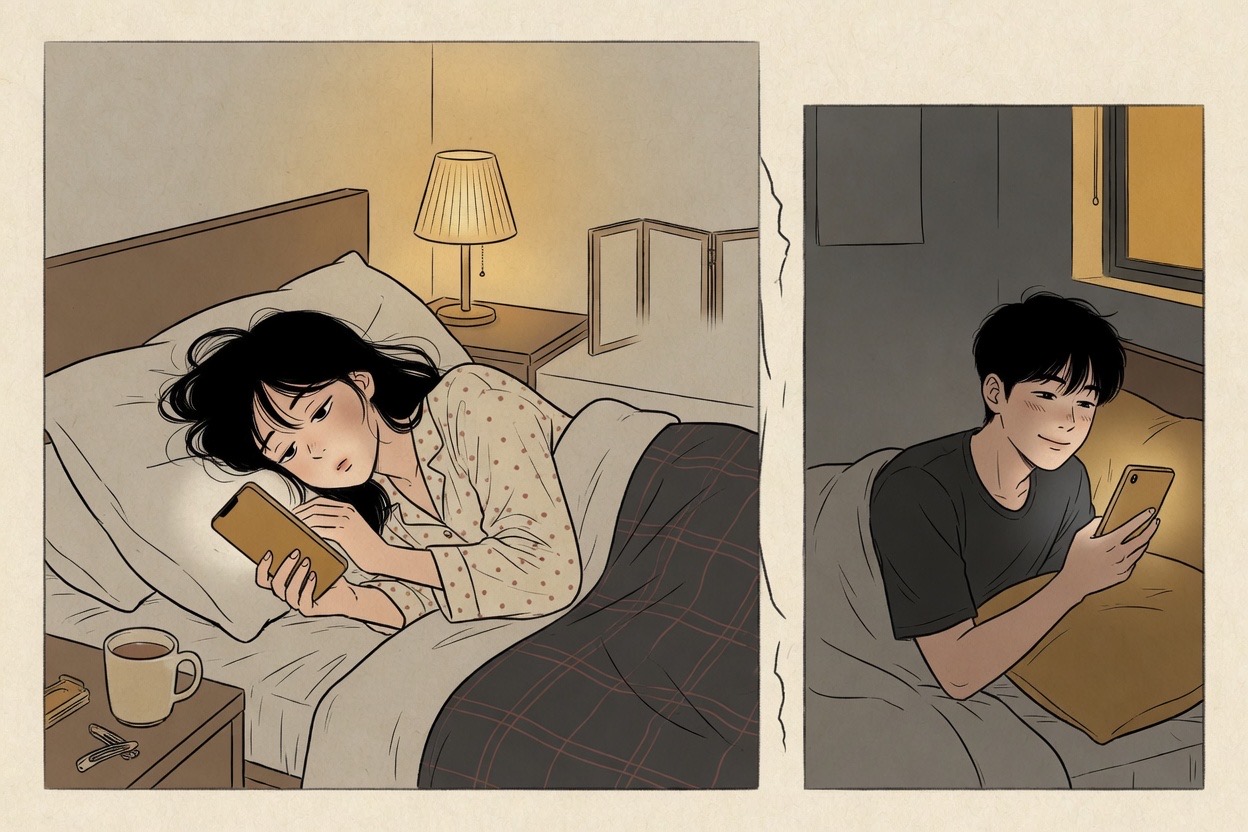
Spoken good night and typed good night are related species, not clones.
What shows up in real chats
- 잘 자 / 잘 자요 / 안녕히 주무세요 — still correct, still used, especially when the relationship is clear
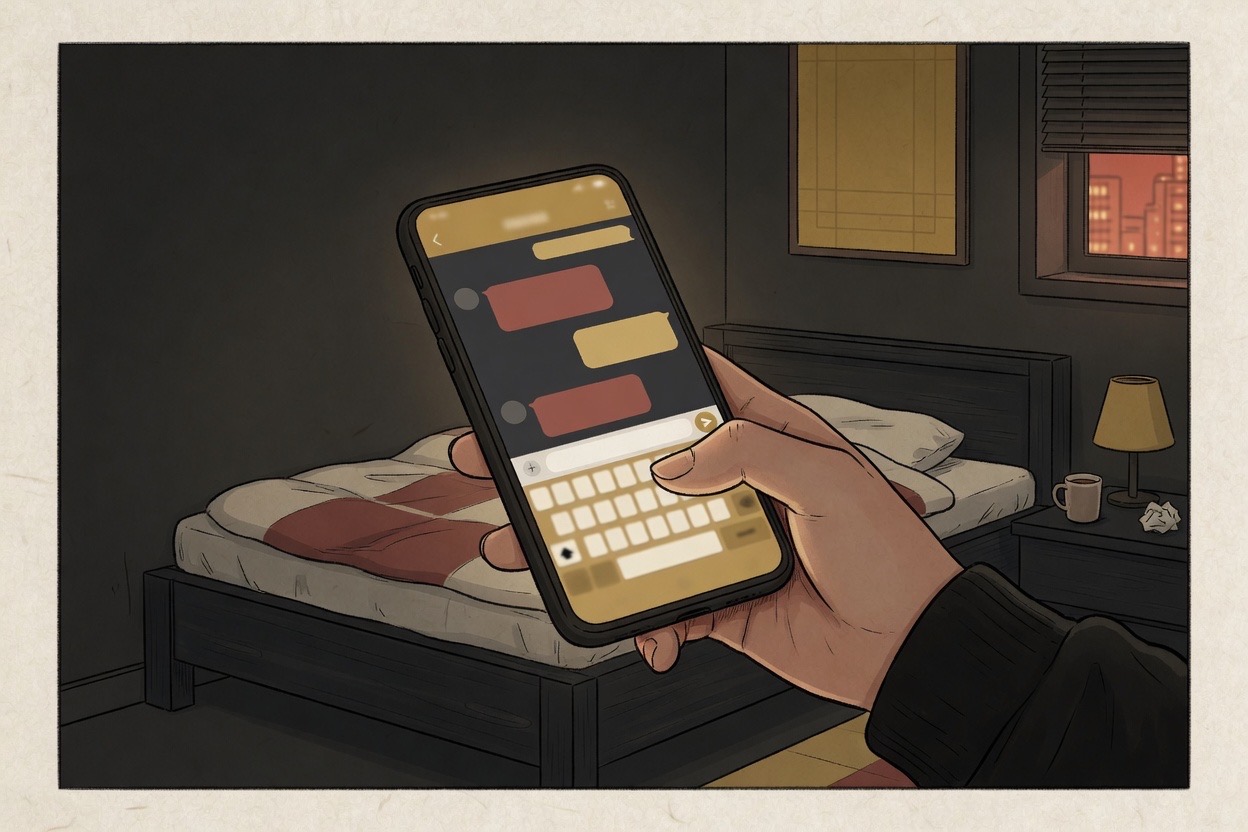
- 굿나잇 — the English loan “good night,” extremely common in casual threads
- ㅈㅈ — consonant shorthand that stands in for 잘자 among people who already share that speed
- Sleep stickers and emoji — closed eyes, blankets, moons, zzz energy without a full sentence
- Soft tails — 잘 자~, 굿나잇, hearts, one last photo of the ceiling or the cat
None of these cancel the respect ladder. 굿나잇 to your grandmother is still the wrong social math if the family room runs on honorific Korean. Loanwords do not erase age.
When a text just… ends
Here is the part phrasebooks skip.
In many close KakaoTalk threads, a conversation stops without a formal good night. Someone sends a last laugh, a sticker, a “ㅋㅋ,” or a plan for tomorrow—and neither person performs a bedtime ceremony. That is often normal, not rude.
Why it does not automatically fail the manners test:
- The chat may already feel finished.
- Both people may still be half-awake and plan to text again.
- Close banmal relationships do not invoice each other for closing formulas every night.
- Over-announcing “GOOD NIGHT NOW” every single evening can feel stiff, like you are starring in your own language drama.
When a good-night line does matter:
- You are leaving an active conversation and want a warm close
- The other person is an elder or someone you speak politely with
- Couples and close friends who treat bedtime as a daily ritual
- You will not talk again until morning and want the door gently shut
Reading that difference is nunchi—same social radar that decides whether a room wants a full goodbye or a wave and silence. Forced ritual is not better manners. Matched energy is.
Banmal, jondaemal, and bedtime status
Good night sits on the same speech-level track as the rest of Korean. If you already use banmal with someone all day, 잘 자 is coherent. If you still use polite endings and titles, 잘 자요 or 안녕히 주무세요 stays coherent. Jumping to pure banmal only at bedtime—because it felt “intimate”—is how learners create one weird intimate island in an otherwise formal ocean.
If you are still sorting that axis, the fuller map is banmal vs jondaemal. Bedtime does not create permission. Relationship history does.
Same warning in the other direction: some families stay soft-polite forever with parents. Some households banmal at home after a certain age. Copy the house you are in, not the drama script in your head.
When you’ll hear each form
- Friends ending a late call: 잘 자, 굿나잇, maybe 내일 봐
- Couple chat at 1 a.m.: 잘 자, 좋은 꿈 꿔, sticker spam, or a quiet fade-out
- Class group chat with mixed closeness: 잘 자요, 내일 봐요
- Leaving parents’ house at night / calling home: 안녕히 주무세요
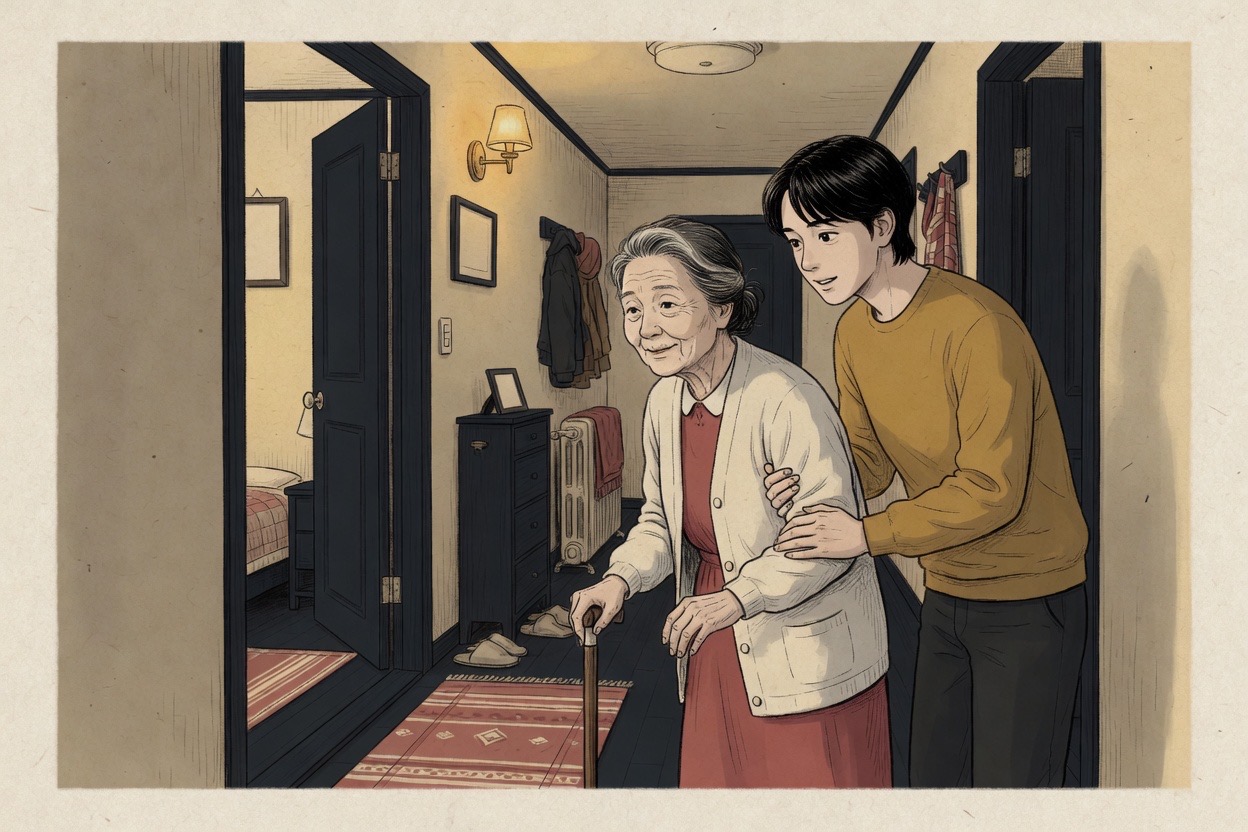
- Helping a grandparent settle in: 안녕히 주무세요, sometimes with a blanket, water, or phone charge as the real sentence
- Morning after, same people: 잘 잤어? or 안녕히 주무셨어요?
- Workplace late message: many teams never personal-good-night each other; work close-outs look more like thanks and “see you tomorrow” than bedroom language
Example dialogues
1. Friends after a late voice call — banmal 잘 자
Near midnight. Both are already in bed. The call is dying of yawns.
- Haeun: 아, 눈 감긴다. 나 먼저 잘게.
A, nun gamginda. Na meonjeo jalge.
Ugh, my eyes are closing. I’m going to sleep first. - Minseo: 응, 잘 자. 좋은 꿈 꿔.
Eung, jal ja. Joeun kkum kkwo.
Yeah, sleep well. Sweet dreams. - Haeun: 너도. 내일 봐.
Neodo. Naeil bwa.
You too. See you tomorrow.
Gloss: Clean banmal all the way. 먼저 잘게 announces the exit; 잘 자 and 좋은 꿈 꿔 answer it. No polite endings mixed in.
2. Adult child to parents — 안녕히 주무세요
Phone call. The speaker is heading to sleep; parents are still at home.
- Child: 엄마, 아빠, 오늘 얘기 고마워요. 전 이만 잘게요.
Eomma, appa, oneul yaegi gomawoyo. Jeon iman jalgeyo.
Mom, Dad—thanks for talking today. I’ll go sleep now. - Mom: 응, 너도 얼른 자. 불 끄고.
Eung, neodo eolleun ja. Bul kkeugo.
Okay, you sleep soon too. Lights off. - Child: 네. 안녕히 주무세요.
Ne. Annyeonghi jumuseyo.
Yes. Good night (honorific).
Gloss: Parents may answer a grown child with warm banmal or soft imperatives. The child still aims 안녕히 주무세요 upward. Direction of respect is not a group average—it is who is speaking to whom.
3. Soft-polite classmates after late study — 잘 자요
Library steps, 11:40 p.m. Two classmates who are friendly but not full banmal yet.
- Sujin: 오늘 진짜 길었어요. 조심히 들어가요.
Oneul jinjja girosseoyo. Josimhi deureogayo.
Today was really long. Get home safely. - Sumin: 네, 수진 씨도요. 잘 자요.
Ne, Sujin ssidoyo. Jal jayo.
You too, Sujin. Sleep well. - Sujin: 잘 자요. 내일 강의에서 봐요.
Jal jayo. Naeil gang-ui-eseo bwayo.
Sleep well. See you in lecture tomorrow.
Gloss: Soft polite holds. 잘 자요 matches classmates who have not dropped to banmal. 수진 씨 keeps name distance consistent with the endings.
4. Morning after — the pair in action
Text thread, 9:10 a.m. Same banmal friends from dialogue 1.
- Minseo: 잘 잤어?
Jal jasseo?
Sleep well? - Haeun: 응, 잘 잤어. 너는?
Eung, jal jasseo. Neoneun?
Yeah, I did. You? - Minseo: 나도. 커피 ㄱㄱ?
Nado. Keopi gogo?
Same. Coffee, go?
Gloss: Night ladder, morning echo. Short, ordinary, zero ceremony—exactly how the pair often lands in real life.
Good nunchi / Zero nunchi
Good nunchi
You stay over at a Korean friend’s family home. At lights-out you tell your friend 잘 자, then turn to their parents and say 안녕히 주무세요 with a small nod. In the morning you ask the parents 안녕히 주무셨어요? before you hunt for coffee. You treated bedtime as relationship math, not one English phrase in three accents.
Zero nunchi
Same house. You cheerfully fire 잘 자~ 굿나잇! at the parents because “it’s friendly.” You also demand a full good-night ritual from a group chat that already went quiet an hour ago, then sulk when nobody performs. You confused volume of manners with accuracy of manners.
Do / Don’t
Do
- Climb the ladder: 잘 자 → 잘 자요 → 안녕히 주무세요.
- Remember 주무시다 is a different honorific verb, not 자다 with a sticker ending.
- Learn the morning pair with the night pair: 잘 잤어? / 안녕히 주무셨어요?
- Match KakaoTalk energy—full phrase, 굿나잇, sticker, or a clean stop.
- Keep speech level consistent with how you already talk to that person.
Don’t
- Aim banmal 잘 자 at parents and grandparents by default.
- Teach yourself that 안녕히 주무세요 is “just formal 자다.”
- Force a theatrical good night into every silent chat.
- Mix banmal and honorific endings in one goodbye sandwich unless the relationship truly lives that way.
- Invent a medical sleep report when someone only asked 잘 잤어?
Nearby ideas
- Hello in Korean — daytime openers, including why 안녕하세요 ignores English time-of-day splits
- Goodbye in Korean — leave/stay logic that mirrors how Korean tracks bodies in space
- Korean honorifics explained — titles and speech levels that decide which good-night rung you stand on
- Banmal vs jondaemal — the casual/polite track bedtime rides on
- What does nunchi mean? — reading whether this night wants a ritual close or silence
A closing line
Good night in Korean is not a single souvenir phrase. It is who is sleeping, who is speaking, and which verb the relationship earns—short 잘 자 for equals, soft 잘 자요 for polite peers, and 안녕히 주무세요 when respect needs a different word for sleep itself.
Say the right rung, check in the next morning if the bond calls for it, and let some chats end without a ceremony. The point is not to perform bedtime. The point is to sound like you noticed who was in the room before the lights went out.
FAQ
How do you say good night in Korean?
Use 잘 자 with close friends and kids, 잘 자요 for soft polite speech, and 안녕히 주무세요 for parents, grandparents, and other elders. One English “good night” maps to a whole speech-level ladder.
What does 안녕히 주무세요 mean?
안녕히 주무세요 means “sleep peacefully / rest well” at high respect. It uses 주무시다, the honorific verb for sleeping—not a polite ending bolted onto 자다. This is what you say to parents and grandparents.
How do you say sweet dreams in Korean?
Casual sweet dreams is 좋은 꿈 꿔. Soft polite is 좋은 꿈 꾸세요. You can stack it after 잘 자 or 잘 자요 when you want a warmer close.
How do you say good morning or ask if someone slept well in Korean?
Casual morning check-in is 잘 잤어? Polite is 잘 잤어요? For elders, use 안녕히 주무셨어요? Korean pairs good night with a next-morning sleep question more often than with English-style “good morning.”
How do Koreans say good night on KakaoTalk?
Close chats use 잘 자, 굿나잇, short forms like ㅈㅈ, stickers, and sleep emojis. Mixed-age or polite threads keep 잘 자요 or 안녕히 주무세요. Trailing off without a formal good night is often normal—not rude—when the chat already feels closed.
Do you have nunchi?
Get short Korean word lessons and social cues in your inbox.